



It is found that depression and substance use disorders often co-occur in the same individual. Although it is not a guarantee that an individual who struggles with depression will develop a substance use disorder and vice versa, professionals must be aware of the risk of comorbidity. It is important that clinicians not only address the depressive symptoms but they must also be proactive in addressing the unhealthy coping mechanisms. This article will examine depression as a whole, what the treatment options are, and how substance use disorder is often comorbid with depression.
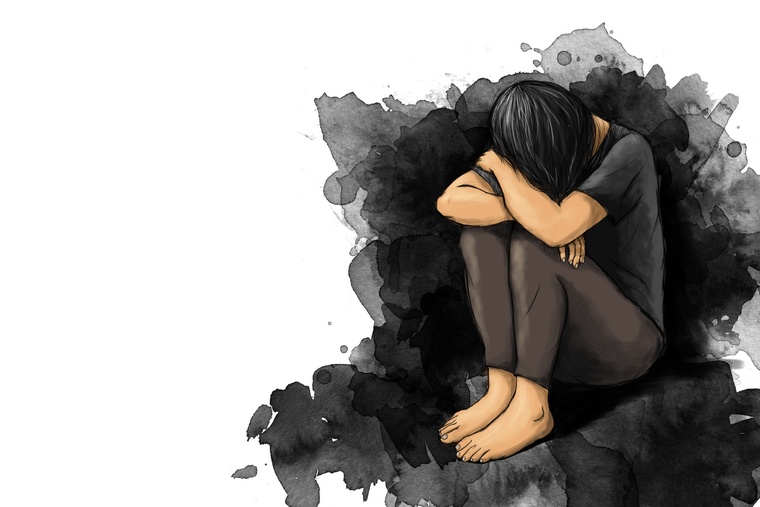
Depression is a major mood disorder that is known to cause a persistently low mood, impairment of functioning, emptiness, and irritability (Chand & Arif, 2023). Some individuals report feeling guilt, a low self-esteem, suicidal ideations, changes in weight and appetite and an extreme sense of hopelessness. Unlike regular mood fluctuations, an individual can be classified as depressed when the low mood lasts for the majority of the day, everyday for at least two weeks. Oftentimes an individual will find that their depression will transfer into all aspects of their life. Difficulties at an individual’s home, in their relationships and at work are not unheard of from those suffering from depression (World Health Organization: WHO & World Health Organization: WHO, 2025).
Depression can affect anyone at any point in time however it is thought that there are individuals who are more susceptible to it. Depression is multifactorial, with a mix of both genetic and environmental roles. It is understood that those who have a family history of depression are more likely to develop depression than those who do not. In late-onset depression genetics are found to play less of a role and that it is more likely that a life event has taken place or a biological risk factor. Neurodevelopmental disorders are often found to have a higher risk factor for depression. It is also found that individuals who have lived through abuse or experienced a traumatic, a loss or stressful event are more likely to suffer from depression.
There are many ways for individuals to manage and treat their depression, from medication to various forms of therapies.
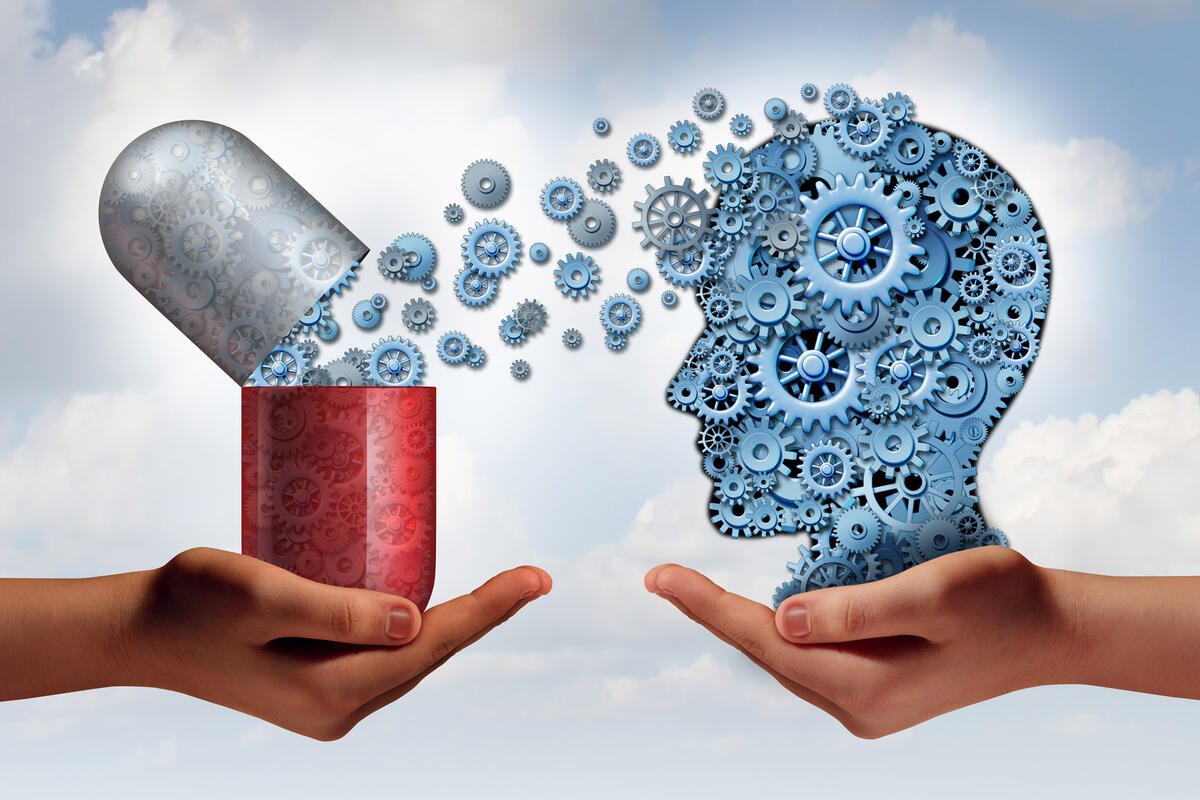
Psychopharmacology is often a go to treatment plan for depression management. Selective serotonin reuptake inhibitors (SSRI) and serotonin norepinephrine reuptake inhibitors (SNRI) are useful in helping individuals with symptom management in both depression and anxiety. They inhibit the serotonin output by blocking the receptors which increases the synaptic levels of serotonin in the synapse. The continual use of SSRI and SNRIs produce long-term neurochemical changes within the brain (Farach et al, 2012). SSRI works by the selective and potent inhibition of the serotonin reuptake. The action of the SSRI is at the presynaptic axon terminal and at the somatodenritics end of the serotonin neuron (Stahl, 2021). Unlike other classes of medications SSRI have little effect on the other neurotransmitters like dopamine and norepinephrine (Chu & Wadhwa, 2023). Because SSRIs are so well tolerated this makes them the first line treatment option for depression and anxiety disorders (Chu & Wadhwa, 2023).
 Citalopram is an SSRI that is FDA-approved for on and off-label uses. Listed as one of the model medications on the WHO to treat depression, citalopram is recommended for depression treatment in adults. Like stated above citalopram has minimal effects on dopamine and norepinephrine. Citalopram has the normal mild side effect such as drowsiness, nausea, constipation and in few cases it elevates suicidal ideation and can induce mania (Shoar et al., 2023). Escitalopram is the s-enanitomer of citalopram and a highly selective serotonin reuptake inhibitor. It was originally approved for pharmacological therapy in adolescents ages 12-17. In more recent years escitalopram has been approved in children as young as 7 and adults. Although escitalopram like the other SSRIs have a lower toxicity profile it can induce a syndrome of inappropriate antidiuretic hormone secretion which can potentially result in hyponatremia (Landy et al., 2023).
Another SSRI that can be used in the treatment of various psychological conditions and is found to be helpful in symptom management in depression is fluoxetine. Fluoxetine is an intended treatment for obsessive-compulsive disorder (OCD), premenstrual dysphoric disorder and bipolar depression. When fluoxetine is combined with olanzapine, it has the potential to manage treatment resistant depression. Fluoxetine is approved to be used in those eight years and older for major depressive disorder. Fluoxetine may take up to four weeks for full effect to be felt as well as individuals may have to be patient to find the right dose (Fluoxetine: MedlinePlusDrug Information, n.d.).
For individuals who present with major depressive disorder Sertraline is a first-line treatment option. Sertraline works like many of the other SSRI and inhibits the reuptake of serotonin, yet there is minimal effect to dopamine and norepinephrine. Some research shows that Sertraline has more dopaminergic activity than other medications and because of that it is highly efficacious (Singh & Saadabadi, 2023). Like the other SSRIs discontinuing serotonin abruptly may cause withdrawal-like symptoms. Sertraline does increase the risk of bleeding as it may inhibit platelet aggregation. As listed above with all the other SSRI, sertraline, shares the same implications and cautions (Singh & Saadabadi, 2023).
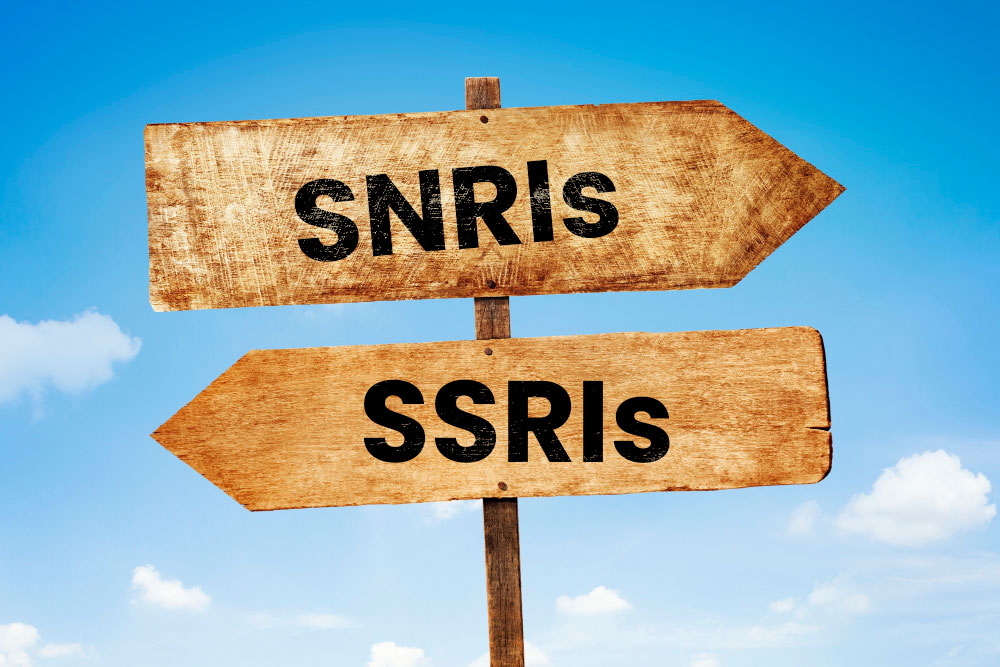
SNRIs are a family of medications that were developed to be more effective than SSRIs. SNRIs block both the uptake of serotonin and norepinephrine and are thought to be as effective as tricyclic antidepressants. The downside to SNRIs is that they are not as well tolerated as SSRIs. The SNRI venlafaxine is approved for the treatment of unipolar major depressive disorder and social anxiety disorder as well as off label treatments for other depression and anxiety disorders.
Venlafaxine is a type of SNRI that works by inhibiting serotonin and norepinephrine receptors resulting in an increase of these transmitters and it is found to have little to no impact on cholinergic or histaminergic receptors. Venlafaxine enhances the expression of brain-derived neurotrophic factor and supports neuroplasticity which ultimately reduces neuroinflammation (D.Singh & Saadabadi, 2024).
Duloxetine is another type of SNRI that is used in the management of MDD and generalized anxiety disorder. Duloxetine hydrochloride was first created in 1990 and brought to the United States market in 2004, making it a newer medication. Duloxetine is known for its SNRI properties as well as its effects on dopamine levels. Duloxetine can increase dopamine level within the prefrontal cortex, and in cases of depression this is helpful. The increase of dopamine levels is a result of the inhibition of the NERT. Duloxetine has very little anticholinergic side effects. Patients can expect to experience headache, fatigue, nausea, and gastrointestinal issues (Dhaliwal, Spurling, et al., 2023).
There are many discussions and controversies around which medication group is better; SSRI or SNRI. Although both are safe medications for individuals to take, SSRIs are generally better tolerated as well as they have a very similar efficacy to SNRI. SSRIs are still considered the first choice because of that reasoning. The worsening of symptoms is found to be more common with SNRIs although it is still a possibility with SSRIs (Are SNRIs More Effective Than SSRIs? A Review of the Current State of the Controversy, 2008). The SNRI side effects are found to be similar to those of tricyclic antidepressants, just with less efficacy as them. Patients are urged to weigh the benefits to the negatives in regards to SNRIs and SSRIs.
Asides from SNRIs AND SSRIs there are other sets of medications that are used in the treatment of depression. It is important to note that they are after market medications. The first set of medications are tricyclic antidepressants, followed by monoamine oxidase inhibitors (MAOIs) and finally atypical antidepressants.
Tricyclic antidepressants (TCA) were initially introduced to the market in 1959 as a treatment for major depressive disorder. They are considered to be a second option alongside serotonin re-uptake inhibitors (SSRIs). Tricyclic antidepressants get their name from the chemical makeup within the drug (Moraczewski et al., 2023). Tricyclics are made up of a 3 ring structure that contain two methyl groups on the nitrogen atom of the side chain (Tricyclic Antidepressants (TCA), 2024). There are two amine structures. The tertiary amine structure can have a secondary amine structure attached. TCAs work by blocking the transporter sites for serotonin (SERT) and norepinephrine (NET). They also work by blocking reuptake for dopamine however not at the same notable level as SERT and NET. The tertiary amine structure typically exhibits the SERT reuptake inhibition while the secondary amines are involved in the uptake of NET(Tricyclic Antidepressants (TCA), 2024). When the SERT reuptake is initially blocked, the serotonin levels in the brain rise. The 5-HT1A autoreceptor senses this change ( the inhibition) and sends the signals to the neurons to slow down their firing, this results in levels of 5-HT1A to quickly drop. Over the span of two weeks , depending on metabolism rates, the 5-HT1A receptor becomes less sensitive and neuronal firing returns to normal. It is thought that the TCA makes 5-HT1A receptors more responsive over time. TCAs can be considered a “dirty”5 medication because they do not just affect serotonin but also other receptors which result in the side effects (Tricyclic Antidepressants (TCA), 2024).
Tertiary TCA medications are Amitriptyline, Imipramine, Trimipramine and Doxepin. Amitriptyline works by increasing the SERT and NET levels in the brain to help regulate and stabilize mood (Tricyclic Antidepressants (TCA), 2024) and is used in the treatment of major depressive disorder. Although considered a relatively safe medication there are side effects that individuals may consider. Some mild side effects include; dry mouth, nausea, sleepiness, vision changes, diarrhea, black tongue, impotence and sexual issues. Some of the more severe but less common side effects include but are not limited to; chest pain, seizures, changes in behaviour, blood clots, flu like symptoms, worsening original symptoms (Amitriptyline Uses, Dosage, Side Effects, Warnings, n.d.).
Imipramine is a medication used to treat depression as well. The difference between imipramine and amitriptyline is that imipramine is not to be used in combination with certain types of food as interactions may occur. It is not recommended for patients to use imipramine if they are smokers however changes in doses may be possible if unavoidable (Imipramine (Oral Route), 2025). Imipramine has the same side effects as amitriptyline.
Doxepin much like imipramine and amitriptyline work by changing the concentration of SERT and NET in the brain. Doxepin also displays antagonistic effects in the central nervous system (CNS) by blocking Histamine (H1) receptors, a1 adrenergic and muscarinic receptors. Doxepin also inhibits sodium (Na) and potassium (K) channels in cardiomyocytes ( cardiac muscle cells) which is why this medication has such a broad reach (Almasi et al., 2024). The blockage of H1 receptors can cause individuals to feel drowsy and in extreme cases almost sedative. Blockage at the a1 and a2 adrenergic receptors cause hypotension and sedation while blockage at the muscarinic receptors cause anticholinergic effects (Tricyclic Antidepressants (TCA), 2024). Secondary amines are a result from the metabolism of tertiary amines. This metabolism results in the loss of one methyl group on the nitrogen side chain. These drugs include nortriptyline, a metabolite of amitriptyline, protriptyline and deipramine which is a metabolite of imipramine. These secondary amines are often more potent in blocking NET reuptake and typically better tolerated because they are less histaminic and cholinergic (Tricyclic Antidepressants (TCA), 2024). Because tertiary TCA are metabolised into secondary TCA both serotonergic and noradrenergic effects occur. It must be noted that although these medications are created and prescribed to assist individuals with the symptoms of depression, such as low mood, suicidal ideation and thoughts, as well as self harm, these medications may do the opposite and enhance the original symptoms if the dosage is not right or the medications are not actually targeting the desired area (Imipramine: Uses, Side Effects, Interactions, Pictures, Warnings & Dosing – WebMD, n.d.). TCA antidepressants are not considered to be addictive or habit-forming however if suddenly stopped or in long term cases a dose is missed individuals may experience withdrawal-like symptoms. This is called discontinuation syndrome and can be managed by working with a health care practitioner (Tricyclic Antidepressants (TCAs), n.d.). Although TCAs are considered a dirty medication they are quite safe for individuals to take as the side effects are quite manageable. TCAs are found to treat and target desired areas and individuals if on the right dose, do often find themselves feeling better than before.
Monoamine oxidase inhibitors (MAOIs) are in a class of their own. Although thought to be effective in the treatment of panic disorder and seasonal affective disorder they are also thought to be good treatment options for depression with atypical features. Although MAOIs were one of the first antidepressants introduced they are no longer the first choice for treatment options. They have an extensive side effect profile and are at the greatest risk for causing harm to a patient. MAOIs are used when no other medications are successful (Laban & Saadabadi, 2023) and (Farach et al, 2012). MAOIs work by blocking the monoamine oxidase enzyme (MAE). The MAE is responsible for the breakdown of various neurotransmitters, NET, SERT, dopamine, and tyramine. Because the MAOI inhibits the breakdown of the neurotransmitters their levels increase and so does their influence on the cells affected by depression. There are two subtypes of MAO, A and B. MAO A is distributed in the placenta, gut and liver where B is found in the brain liver and platelets. SERT and NET are a substrate of type A. Phenylethylamine, methylhistamine and tryptamine are substrates of type B. “Dopamine and tyramine are metabolized by both MAO A and B”(Laban & Saadabadi, 2023). MAOIs are known to potentially cause drug-to-drug and food interactions as well as overdoses. Patients should not mix MAOIs with other antidepressants and if treatment needs to be switched they must “detox” off of MAOIs to safely switch to a different antidepressant. If MAOIs are combined with other antidepressants like SSRIs the mix of these two drugs can cause serotonin syndrome. Serotonin syndrome is known to cause symptoms such as fever, confusion, muscle rigidity, seizures and in extreme cases death. Another aspect that makes MAOIs undesirable to prescribe is the food interactions patients need to look out for. Because MAOI prevents the breakdown of tyramine in the body it also prevents the breakdown of tyramine found in food and drinks. If patients are unaware of what they are consuming this can cause high serum tyramine levels in the body. High levels of tyramine can cause blood pressure to rise and in rare cases it can trigger a cerebral hemorrhage (Laban & Saadabadi, 2023). In order to avoid high tyramine patients need to know what foods are a risk for raising levels. They are encouraged to stick to a limited fresh food diet.
Tyramine is found in many diet staples from fish and turkey to bananas, avocado, cheeses and alcohol. This causes extreme diet limitations which can affect the quality of life (Laban & Saadabadi, 2023). MAOIs are unique in the sense that although they provide relief to patients’ symptoms oftentimes the good does not outweigh the bad.
The final antidepressant family that is prescribed for the treatment of depression and various depression like disorders is atypical antidepressants, mirtazapine and bupropion. Mirtazapine is an atypical tetracyclic antidepressant. This medication is prescribed for the treatment of major depressive disorder and it inhibits central presynaptic a2-adrenergic receptors. The inhibition of these receptors increases SERT and NERT release. Mirtazapine is also referred to as a noradrenergic and specific serotonergic antidepressant. Noradrenaline activates the sympathetic nervous system, which helps explain why patients taking mirtazapine often experience increased activity and metabolism (Jilani et al., 2024). Like the others listed above Mirtazapine is also a potent antagonist of H1 receptors as well as 5-HT2A and C as well as 5-HT3. Because mirtazapine interacts at the 5-HT1A and C and 5-HT3, this leaves the 5-HT1 receptor open to interact with the remaining SERT. It is because of this open receptor that individuals experience the antidepressant properties. Mirtazapine shows little effect to the sodium and calcium channel blockers as well as it does not function as an anticholinergic (Jilani et al., 2024).
Mirtazapine is offered as a clinically viable alternative for SSRIs, although SSRIs are the first choice for treatment. This medication is considered to be safe for long term use and the longterm side effects are minimal and seem to be harmless. Like the other medications above patients are recommended to wean off of these medications slowly as “withdrawal” may occur. The other common atypical antidepressant is bupropion which helps patients with major depressive disorder as well as seasonal affective disorder.
Bupropion is an aminoketone antidepressant whose mechanism of action is not fully understood. Unlike the other antidepressants bupropion is thought to target the dopamine transports and NET. Bupropion reduces noradrenergic neuronal activity in the locus coeruleus while also increasing activity in the nucleus accumbent. This drug has minimal effect on serotonin. Bupropion was approved in 1985 by the FDA and is found to work as an antidepressant as well as a tool to help patients to quit smoking. Bupropion is a relatively safe medication for patients to take however it may cause personality changes such as agitation and irritability as well as abnormal behaviours. Like many of the other medications used to treat depression, worsening symptoms may be experienced and well as suicidal thoughts and tendencies (Huecker et al., 2024).
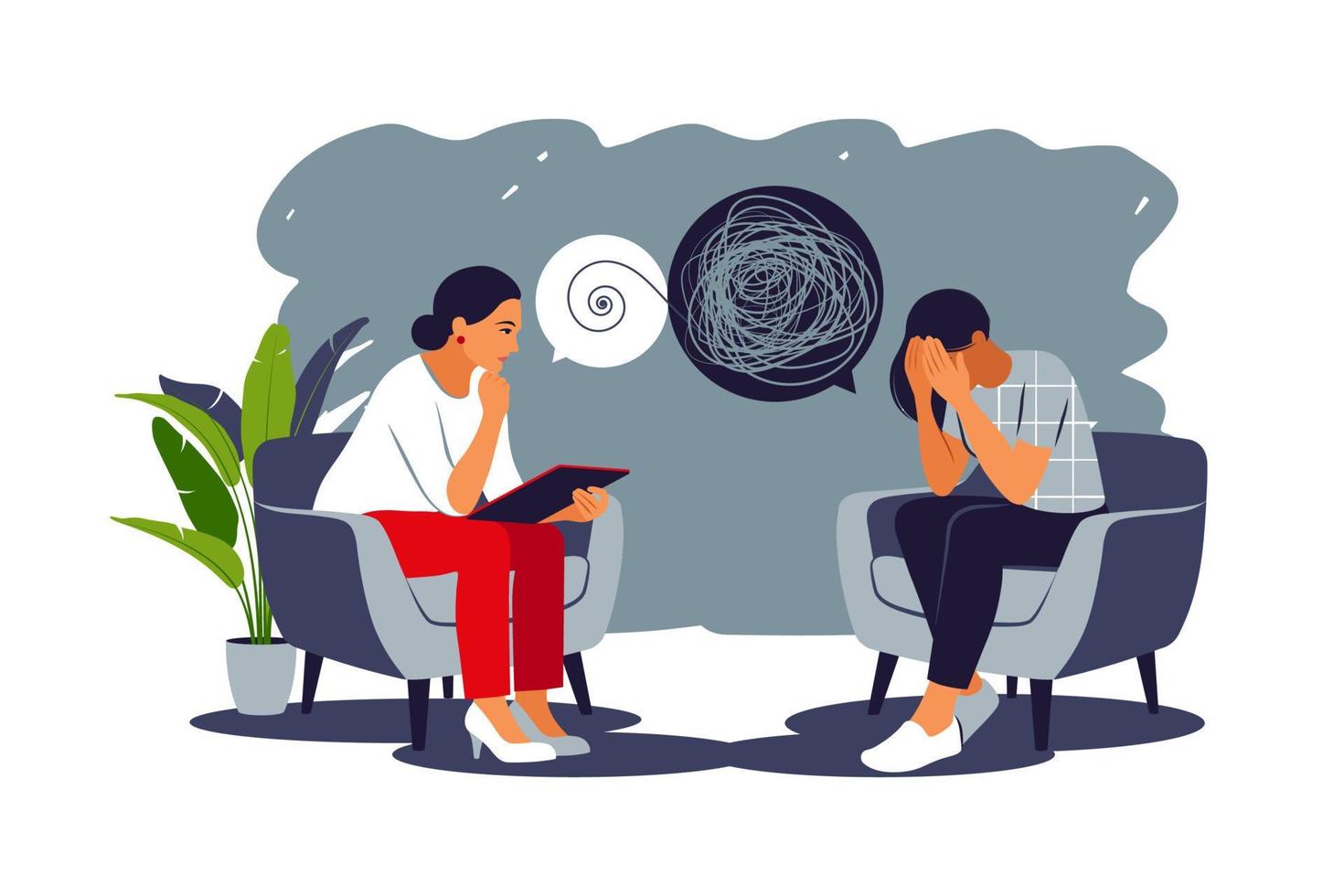
Oftentimes when an individual is on medications for symptom management it is recommended that they also attend some form of therapy. Cognitive behavioural therapy (CBT) and interpersonal therapy (IPT) are often top choices. CBT was pioneered by Beck and holds the belief that depression is formed by maladaptive information processing. CBT works on targeting and changing the “function, content, and structure of cognitions associated with negative affect” while also teaching individuals alternative methods of behaviour (Zhou et al., 2017). Oftentimes CBT is referred to with the visual image of a triangle. Individuals are taught that their behaviour influences their thoughts which influence emotions and vice versa. Negative/positive thoughts can encourage certain behaviours which then produce certain emotions. Like CBT, interpersonal therapy (IPT) also helps individuals target their symptoms. IPT focuses on interpersonal disputes like grief, deficits, roles etc.. IPT believes that if an individual can target and relieve the interpersonal issue then the depressive symptoms will resolve (Zhou et al., 2017). It is not abnormal for an individual who is suffering from depression to also exhibit symptoms of substance abuse. Often the two have a birelational dependency. In some cases when an individual is struggling with depression may turn to substance use in hopes of finding a fix. It is also possible that those who abuse/use substances may fall into a substance induced depression. Regardless of the order in which it occurs there is no denial of a possible link. It is found that individuals who struggle with depression and take opioids to help manage and treat chronic pain are more likely to initiate longer opioid therapy than those who are not depressed. It is also found that these individuals are also more likely to transition to longer term opioid use. It is speculated that this is the case among depressed individuals because opioids can be used to help manage/treat insomnia and assist in dealing with stress (Sullivan, 2018). The difficulty with substance use and depression is that they often feed off of each other. When an individual struggles with both depression and alcohol use, treating the alcoholism often leads to improvements in depression as well, increasing the likelihood of overall recovery (Charney et al., 1998). Although it is not a guarantee that an individual will start to abuse substances if they choose to self medicate, it is still an unhealthy and dangerous coping mechanism. More often than not these unhealthy coping mechanisms worsen depression.
There is a bigger picture to treating individuals with substance induced depression. Just because the substance is removed does not mean that the depression will cease to exist. It is important to be prepared to create a care plan for both. When looking at treatment for substance induced depression an individual needs to detox first. There are a few medications that a physician can prescribe to aid in the abstinence of the substance. Depending on what an individual is struggling with will determine if a medication induced detox is possible. Once the individual is sober and in the rehabilitation stage, discussion of the next step can occur. If it is deemed that the individual is still suffering from depression, physicians can then open up the conversation to possible treatment options. Like the treatment for depression, various forms of talk therapy and medication can be helpful in the treatment of substance use disorder that is comorbid with depression. Many of the medications listed above can be helpful in the treatment of substance abuse comorbid with depression. One form of support that may be beneficial for an individual who struggles with depression and substance abuse is peer support. Peer support is a form of knowledge sharing that is nonprofessional and nonclinical by individuals who have gone through the same issues in hopes that it helps achieve long term recovery (Tracy & Wallace, 2016). Peer support may be more beneficial for individuals who struggle with substance abuse and depression because of the added stressor of sobriety. Although peer support is still being developed in how it can be most beneficial, the benefit of it is that it helps solidify that there is someone else who knows what they are going through and that they are not alone in their struggles.
Depression and substance use are often intertwined. It is important to look at the individual as a whole when offering treatment and careplan advice. By adopting multiple ways to help an individual recover, it is possible to have full mind and body healing. This then helps break the cycle of patients self-medicating and creating unhealthy coping mechanisms.
Written by Bella Geith Resler, Intern Psychologist in IASIS at Centro
References
Amitriptyline uses, dosage, side effects, warnings. (n.d.). Drugs.com. https://www.drugs.com/Amitriptyline.html
Are SNRIs more effective than SSRIs? A review of the current state of the controversy. (2008). PubMed. https://pubmed.ncbi.nlm.nih.gov/18668017/
Chand, S. P., & Arif, H. (2023, July 17). Depression. StatPearls – NCBI Bookshelf. https://www.ncbi.nlm.nih.gov/books/NBK430847/
Charney, D. A., MD, Bsc, A. M. P., Negrete, J. C., MD, & Gill, K. J., PhD. (1998). The impact of depression on the outcome of addictions treatment. Journal of Substance Abuse Treatment, 15(2), 123–130. https://doi.org/10.1016/s0740-5472(97)00183-9
Chu, A., & Wadhwa, R. (2023, May 1). Selective serotonin reuptake inhibitors. StatPearls – NCBI Bookshelf. https://www.ncbi.nlm.nih.gov/books/NBK554406/
Depression (major depressive disorder) – Symptoms and causes. (n.d.).Mayo Clinic. https://www.mayoclinic.org/diseases-conditions/depression/symptoms-causes/syc-20356007#:~:text=Depression%20is%20a%20mood%20disorder%20that%20causes%20a%20persistent%20f eeling,of%20emotional%20and%20physical%20problems.
Dhaliwal, J. S., Spurling, B. C., & Molla, M. (2023, May 29). Duloxetine. StatPearls – NCBI Bookshelf. https://www.ncbi.nlm.nih.gov/books/NBK549806/
Farach, F. J., Pruitt, L. D., Jun, J. J., Jerud, A. B., Zoellner, L. A., & Roy-Byrne, P. P. (2012). Pharmacological treatment of anxiety disorders: Current treatments and future directions. Journal of Anxiety Disorders, 26(8), 833–843. https://doi.org/10.1016/ J.janxdis.2012.07.009
Fluoxetine: MedlinePlus drug information. (n.d.). https://medlineplus.gov/druginfo/meds/ A689006.html
Goldstein, D. J., Wilson, M. G., Thompson, V. L., Potvin, J. H., & Rampey, A. H. (1995). Long- Term fluoxetine treatment of bulimia nervosa. The British Journal of Psychiatry, 166(5), 660–666. https://doi.org/10.1192/bjp.166.5.660
Huecker, M. R., Smiley, A., & Saadabadi, A. (2024, September 2). Bupropion. StatPearls – NCBI Bookshelf. https://www.ncbi.nlm.nih.gov/books/NBK470212/12 #:~:text=Bupropion%20is%20an%20antidepressant%20medication,an%20aid%20for%20smoking%20cessation.
Imipramine (oral route). (2025, April 1). Mayo Clinic. https://www.mayoclinic.org/drugs- supplements/imipramine-oral-route/description/drg-20072148
Imipramine: Uses, side effects, interactions, pictures, warnings & dosing – WebMD. (n.d.). https://www.webmd.com/drugs/2/drug-8664/imipramine-oral/details
Jilani, T. N., Gibbons, J. R., Faizy, R. M., & Saadabadi, A. (2024, November 9). Mirtazapine. StatPearls – NCBI Bookshelf. https://www.ncbi.nlm.nih.gov/books/NBK519059/
Laban, T. S., & Saadabadi, A. (2023, July 17). Monoamine oxidase inhibitors (MAOI). StatPearls – NCBI Bookshelf. https://www.ncbi.nlm.nih.gov/books/NBK539848/
Moraczewski, J., Awosika, A. O., & Aedma, K. K. (2023, August 17). Tricyclic antidepressants. StatPearls – NCBI Bookshelf. https://www.ncbi.nlm.nih.gov/books/NBK557791/
NHS inform. (2024, September 27). Selective serotonin reuptake inhibitors (SSRIs) | NHS inform. NHS Inform. https://www.nhsinform.scot/tests-and-treatments/medicines-and-medical-aids/types-of-medici ne/selective-serotonin-reuptake-inhibitors-ssris/
Shoar, N. S., Fariba, K. A., & Padhy, R. K. (2023, November 7). Citalopram. StatPearls – NCBI Bookshelf. https://www.ncbi.nlm.nih.gov/books/NBK482222/
Singh, D., & Saadabadi, A. (2024, February 26). Venlafaxine. StatPearls – NCBI Bookshelf. https://www.ncbi.nlm.nih.gov/books/NBK535363/
Singh, H. K., & Saadabadi, A. (2023, February 13). Sertraline. StatPearls – NCBI Bookshelf. https://www.ncbi.nlm.nih.gov/books/NBK547689/
Sohel, A. J., Shutter, M. C., Patel, P., & Molla, M. (2024, February 28). Fluoxetine. StatPearls – NCBI Bookshelf. https://www.ncbi.nlm.nih.gov/books/NBK459223/
Stahl, S. (2021). Stahl’s Essential Psychopharmacology: Neuroscientific basis and practical applications (M. M. Grady, Ed.; 5th ed.). Cambridge University Press.
Sullivan, M. D. (2018). Depression effects on long-term prescription opioid use, abuse, and addiction.
Clinical Journal of Pain, 34(9), 878–884. https://doi.org/10.1097/ajp.0000000000000603
Tracy, K., & Wallace, S. (2016). Benefits of peer support groups in the treatment of addiction. Substance Abuse and Rehabilitation, Volume 7, 143–154. https://doi.org/10.2147/sar.s81535
Tricyclic antidepressants (TCA). (2024, August 11). PsychDB. https://www.psychdb.com/meds/ antidepressants/tca/home#:~:text=Tricyclic%20Antidepressants%20(TCAs)%20are%20named,pain%2C%20migraines%2C%20and%20headaches.
Tricyclic antidepressants (TCAs). (n.d.). Mayo Clinic. https://www.mayoclinic.org/diseasesconditions/depression/in-depth/antidepressants/art-20046 983
Venlafaxine (oral route). (2025, April 1). Mayo Clinic. https://www.mayoclinic.org/drugs- supplements/venlafaxine-oral-route/description/drg-20067379
World Health Organization: WHO & World Health Organization: WHO. (2025, August 29). Depressive disorder (depression). https://www.who.int/news-room/fact-sheets/detail/depression
Zhou, S., Hou, Y., Liu, D., & Zhang, X. (2017). Effect of Cognitive Behavioral Therapy Versus Interpersonal Psychotherapy in Patients with Major Depressive Disorder. Chinese Medical Journal, 130(23), 2844–2851. https://doi.org/10.4103/0366-6999.219149